Could you benefit from a Vertical Lift Module? As warehouse operations grow, maintaining efficient storage and inventory management becomes increasingly important. Limited floor space, disorganized inventory, and time-consuming picking processes can create challenges that affect daily productivity. Vertical Lift Modules (VLMs) provide an automated storage solution that uses vertical space and delivers materials directly to operators. By reducing unnecessary movement and improving inventory accessibility, these systems can help warehouses make better use of their existing resources. Below, we explore 7 Signs your warehouse could benefit from a vertical lift module and how automated storage can help address common operational challenges.
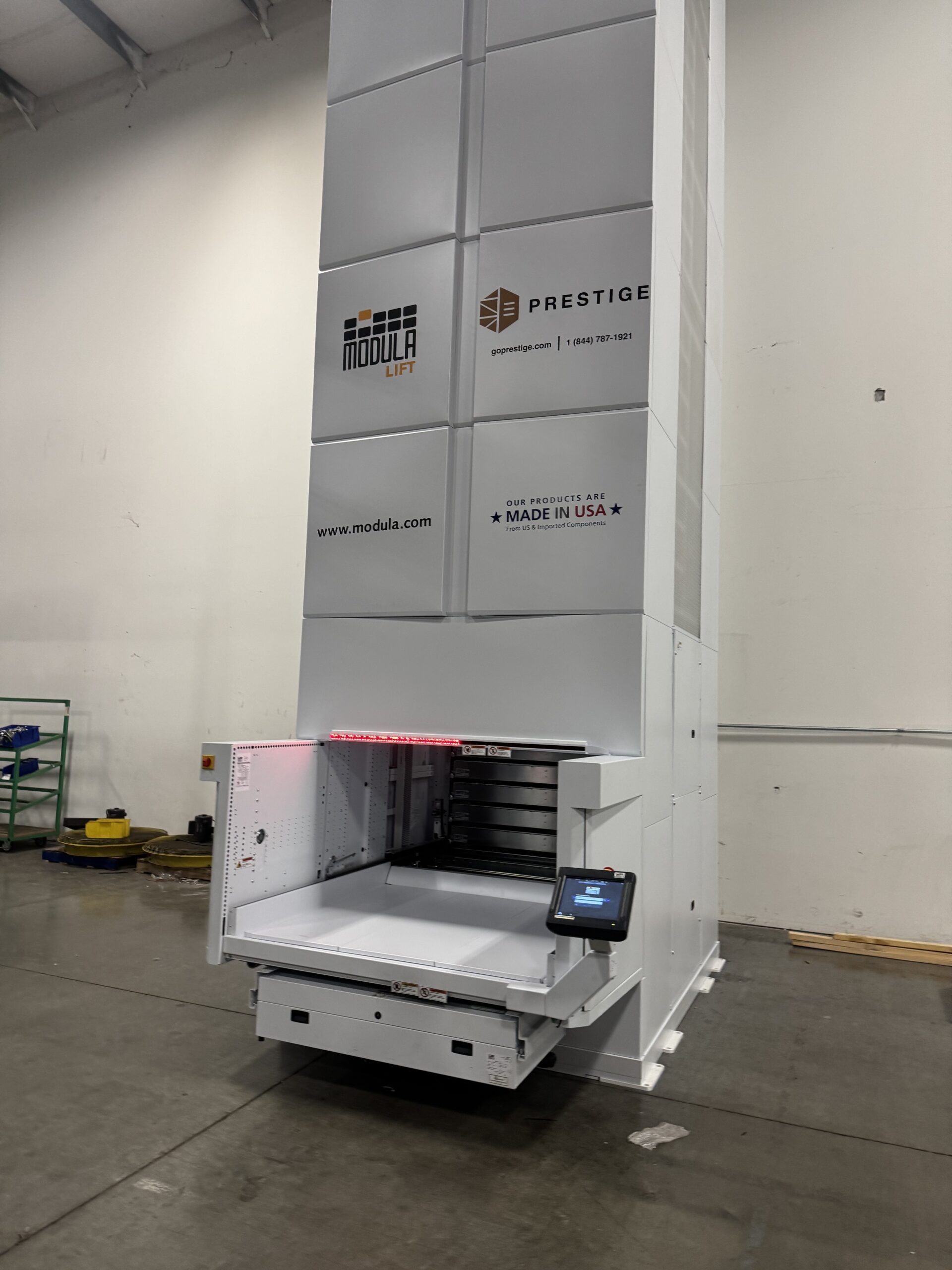
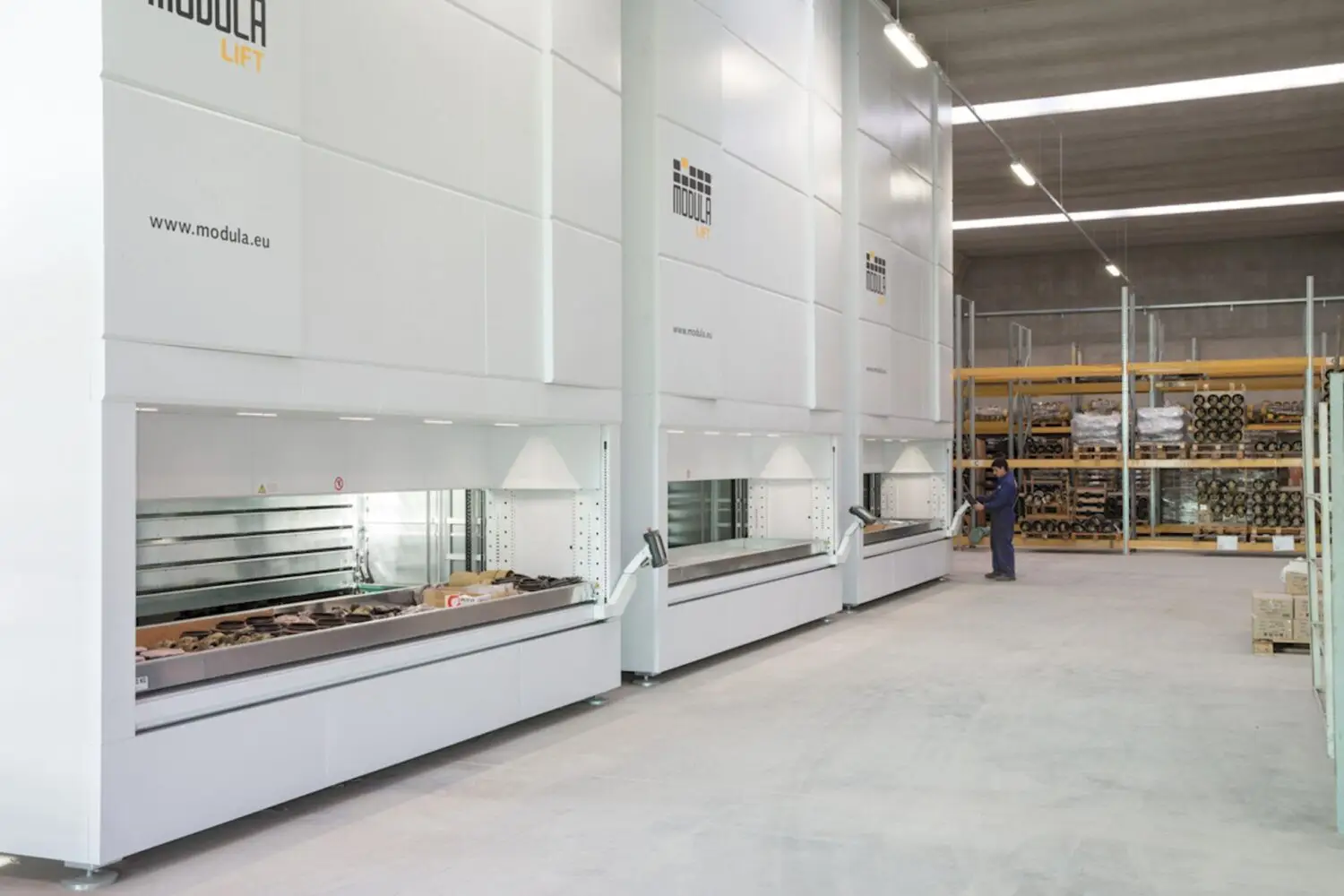
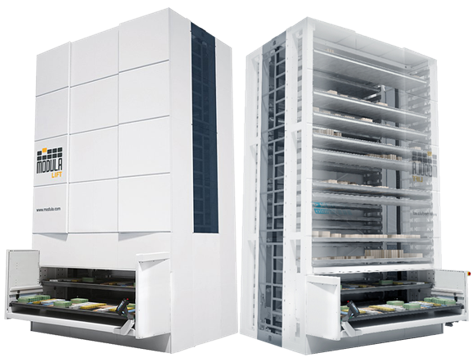
A Vertical Lift Module (VLM) is an automated storage and retrieval system designed to maximize warehouse storage capacity by utilizing available vertical space. These systems consist of vertically arranged storage trays, an automated extractor, and an operator access opening. When an item is requested, the system automatically retrieves the appropriate tray and delivers it directly to the operator, reducing the need to search through traditional shelving or storage areas. Warehouses looking to improve inventory organization, reduce unnecessary walking, and streamline picking processes may benefit from a vertical lift module by consolidating materials into a centralized, accessible storage system. VLMs are commonly used to store parts, tools, components, and other inventory in manufacturing facilities, distribution centers, and warehouses.
Available floor space is one of the most valuable resources in a warehouse. As inventory grows, businesses often add shelving, cabinets, and other storage equipment to accommodate additional materials. Over time, these additions can create crowded storage areas and limit the space available for production, equipment, and daily operations. Vertical Lift Modules address this challenge by utilizing available ceiling height to store inventory vertically rather than spreading storage across the warehouse floor. This allows facilities to consolidate suitable materials into a smaller footprint while freeing up valuable space for other operations. Facilities struggling with overcrowded storage areas may benefit from a vertical lift module that consolidates inventory and creates additional room for daily operations.
Warehouses looking to increase usable floor space without expanding their building may benefit from a vertical lift module by maximizing existing vertical storage capacity.
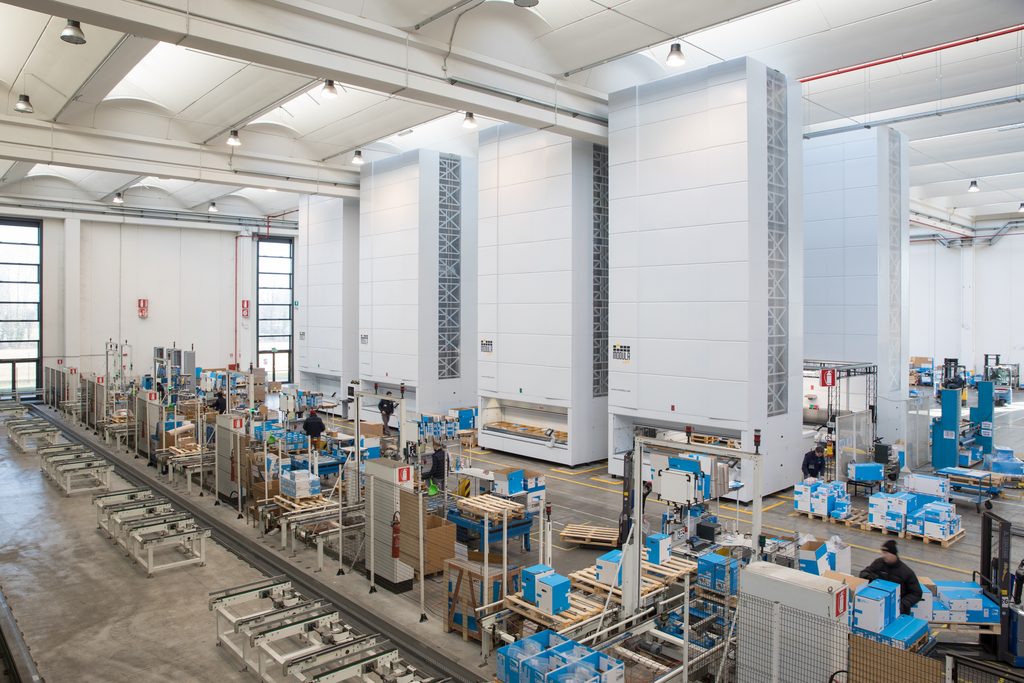
In traditional warehouse storage systems, employees often spend considerable time walking between aisles, searching through shelving units, and locating individual components. While these tasks may only take a few minutes at a time, they can add up throughout a shift and reduce overall productivity.
One way facilities with frequent parts requests may benefit from a vertical lift module is through its goods-to-person retrieval system. Rather than requiring employees to search through multiple storage locations, the system automatically retrieves the requested storage tray and delivers it directly to an operator at a designated access point.
By reducing the need to travel between storage locations, VLMs help streamline material retrieval and allow employees to focus on other tasks. Some advantages include:
Warehouses that frequently handle parts requests or repetitive picking tasks may benefit from a vertical lift module by reducing unnecessary travel, streamlining material retrieval, and improving overall workflow efficiency.
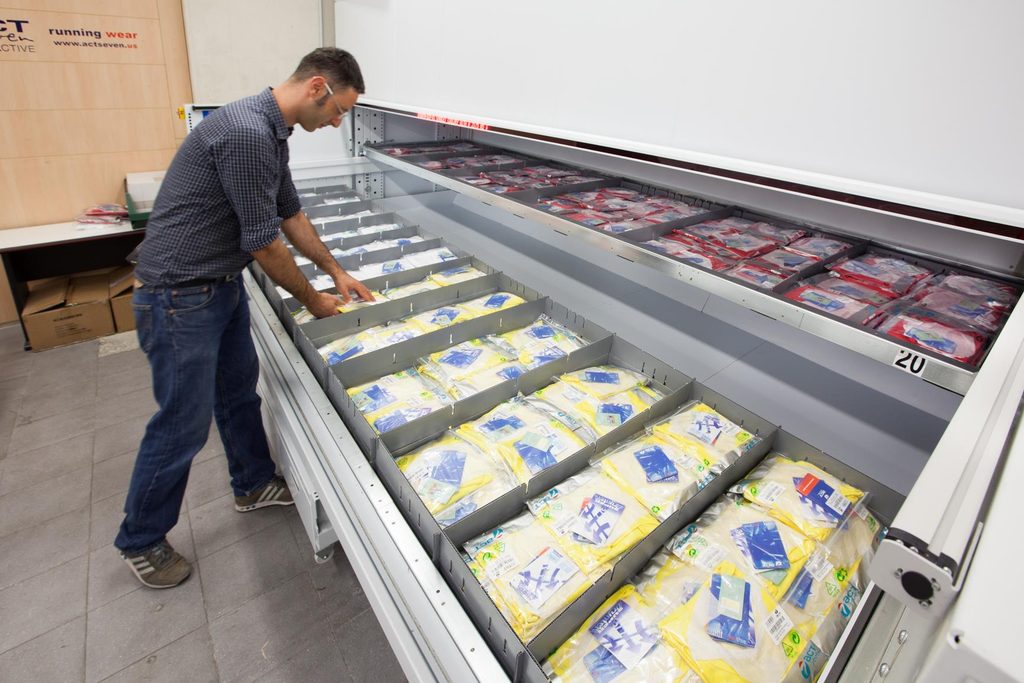
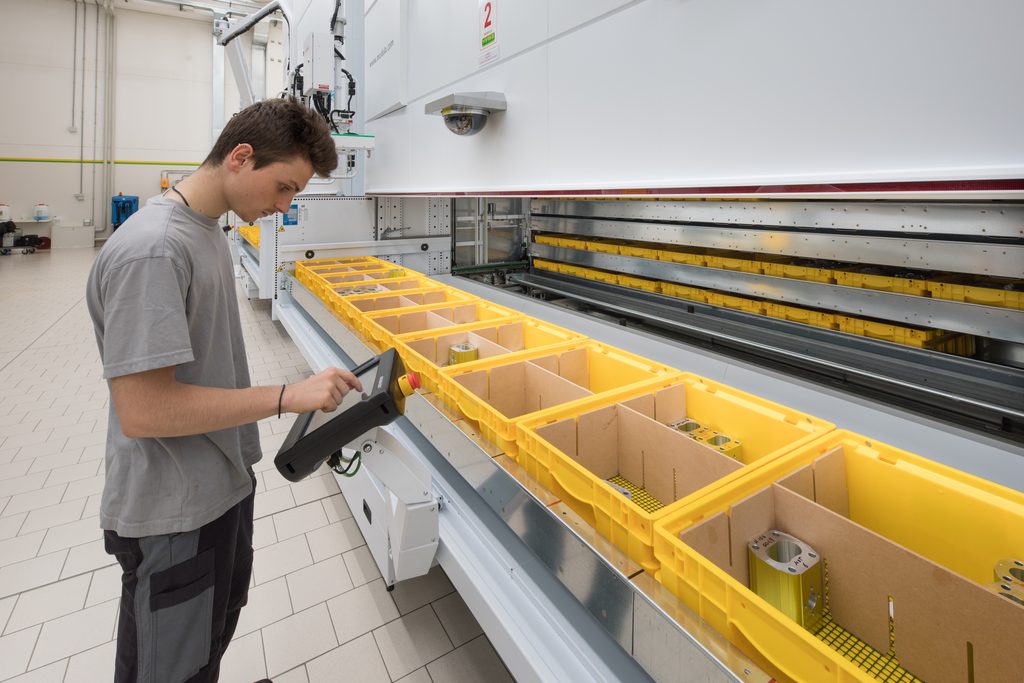
As product lines expand, keeping inventory organized and accessible can become increasingly challenging. Small components, spare parts, tools, and other materials may be spread across multiple shelving units, drawers, or storage areas. Without a consistent organization system, locating materials and maintaining accurate inventory records can become more difficult.
Vertical Lift Modules use storage trays that can be configured with dividers, bins, and compartments to accommodate different inventory types. By consolidating materials into a centralized storage system, warehouses managing an expanding variety of inventory may benefit from a vertical lift module through improved organization and accessibility.
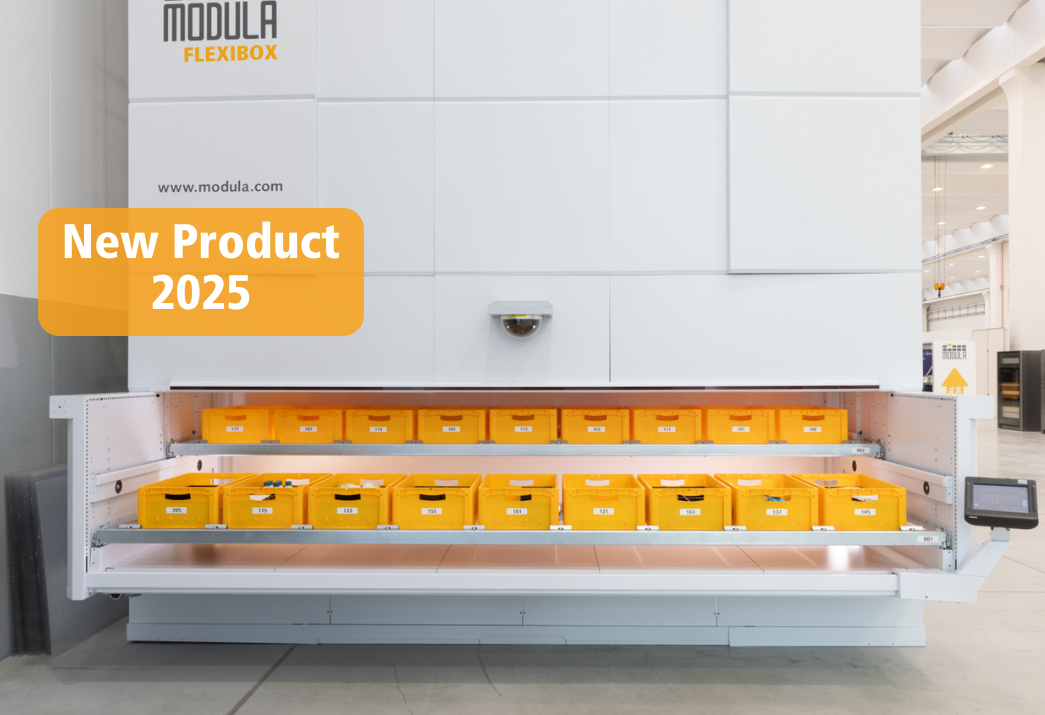
For operations handling large quantities of smaller components, the Modula Flexibox offers a similar automated storage solution with a different approach. Unlike a traditional VLM that retrieves entire trays, the Flexibox uses a bin-based system to organize and retrieve individual bins, making it particularly useful for facilities managing a wide variety of small parts and SKUs.
Additionally, Modula WMS can also integrate with inventory management software to help track item locations, quantities, and inventory movements. These capabilities are especially beneficial for warehouses managing:
Facilities struggling to maintain accurate inventory records and organized storage locations may benefit from a vertical lift module that centralizes materials and supports more consistent inventory management.
Picking accuracy plays an important role in maintaining efficient warehouse operations. Selecting the wrong item or quantity can lead to order delays, additional labor, and unnecessary costs. For example, an employee might accidentally select the wrong replacement part from a shelf containing several similar-looking components. If that part is shipped to a customer, the mistake can create additional work for both the warehouse and the customer.
Common consequences of picking errors include:
Warehouses experiencing frequent picking errors may benefit from a vertical lift module by creating a more organized and consistent picking process. These systems deliver designated storage trays directly to an operator, reducing the need to search through multiple storage locations. Depending on the configuration, Modula Warehouse Management Systems (WMS) can also incorporate visual picking aids, barcode verification, and inventory management software to help operators identify the correct items.
While these features cannot eliminate human error, warehouses looking to improve picking accuracy may benefit from a vertical lift module that supports more consistent order fulfillment and reduces the likelihood of costly mistakes.
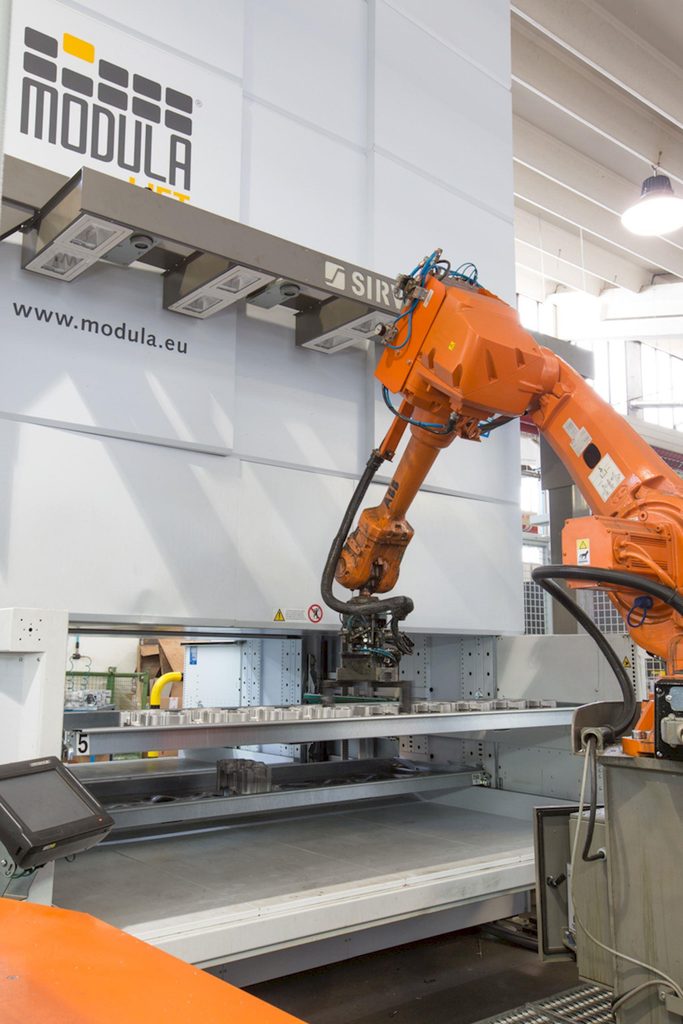
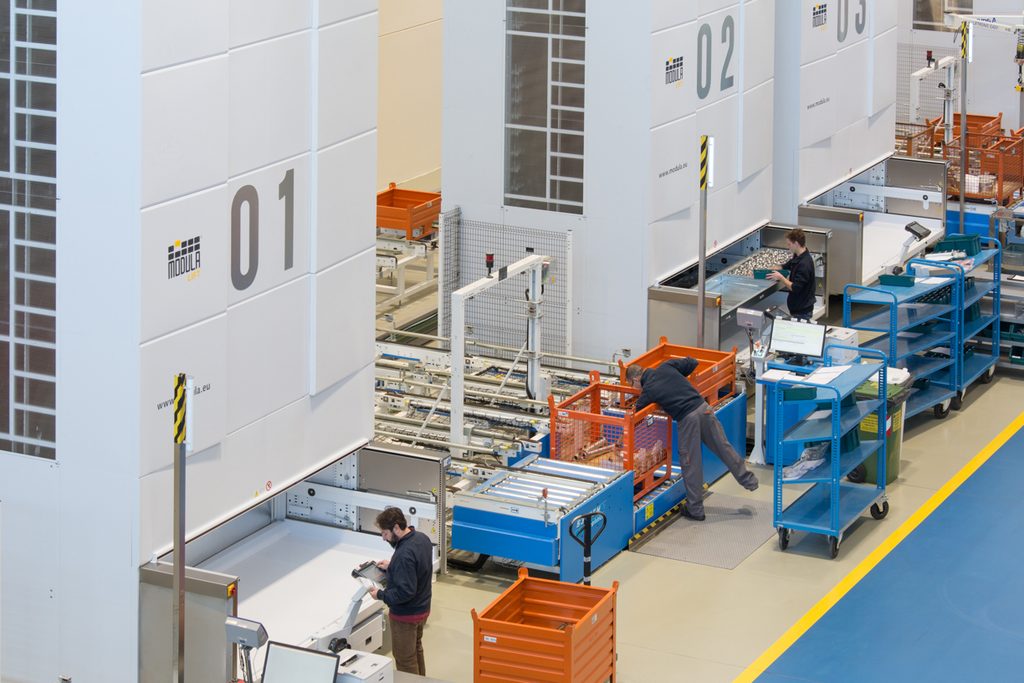
Traditional warehouse shelving often requires employees to bend down, reach overhead, or use ladders to retrieve stored materials. When these movements are repeated throughout the day, they can create ergonomic challenges and make routine picking tasks more physically demanding.
Vertical Lift Modules are designed to deliver stored inventory to operators at an accessible working height. Rather than retrieving materials from high shelves or low storage locations, employees can access items from a designated picking opening. This reduces unnecessary bending, reaching, and climbing while creating a more consistent retrieval process. Facilities looking to improve workplace ergonomics may benefit from a vertical lift module by reducing the repetitive bending, reaching, and climbing associated with manual inventory retrieval.
Although proper lifting techniques and safe material handling practices remain essential, particularly for heavier materials, warehouses with frequent manual picking tasks may benefit from a vertical lift module that helps reduce repetitive movements and makes everyday material retrieval more comfortable and accessible.
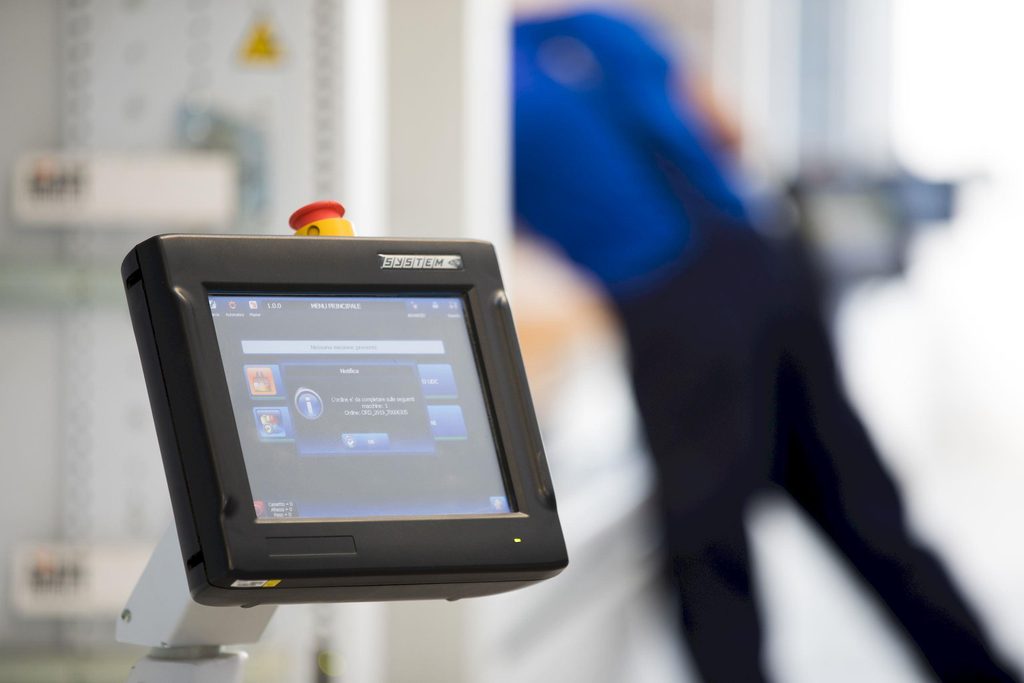
As order volumes increase, businesses often need to process more inventory in less time. Picking methods that worked well at lower volumes may begin creating bottlenecks as demand grows. Employees may spend more time traveling between storage locations, picking areas can become congested, and additional labor may be needed to maintain fulfillment schedules.
Facilities experiencing these challenges may benefit from a vertical lift module to help streamline material retrieval and improve picking efficiency. Instead of traveling throughout a storage area to collect individual items, employees can remain at a designated workstation while the system automatically retrieves the necessary trays. Depending on the application, VLMs can also integrate with warehouse management software to support picking and replenishment operations.
The potential improvement in throughput depends on factors such as order volume, inventory characteristics, tray retrieval times, and how the equipment is incorporated into existing workflows. For facilities experiencing consistent increases in picking demand, businesses may benefit from a vertical lift module that supports more efficient material retrieval without simply adding more shelving or employees.
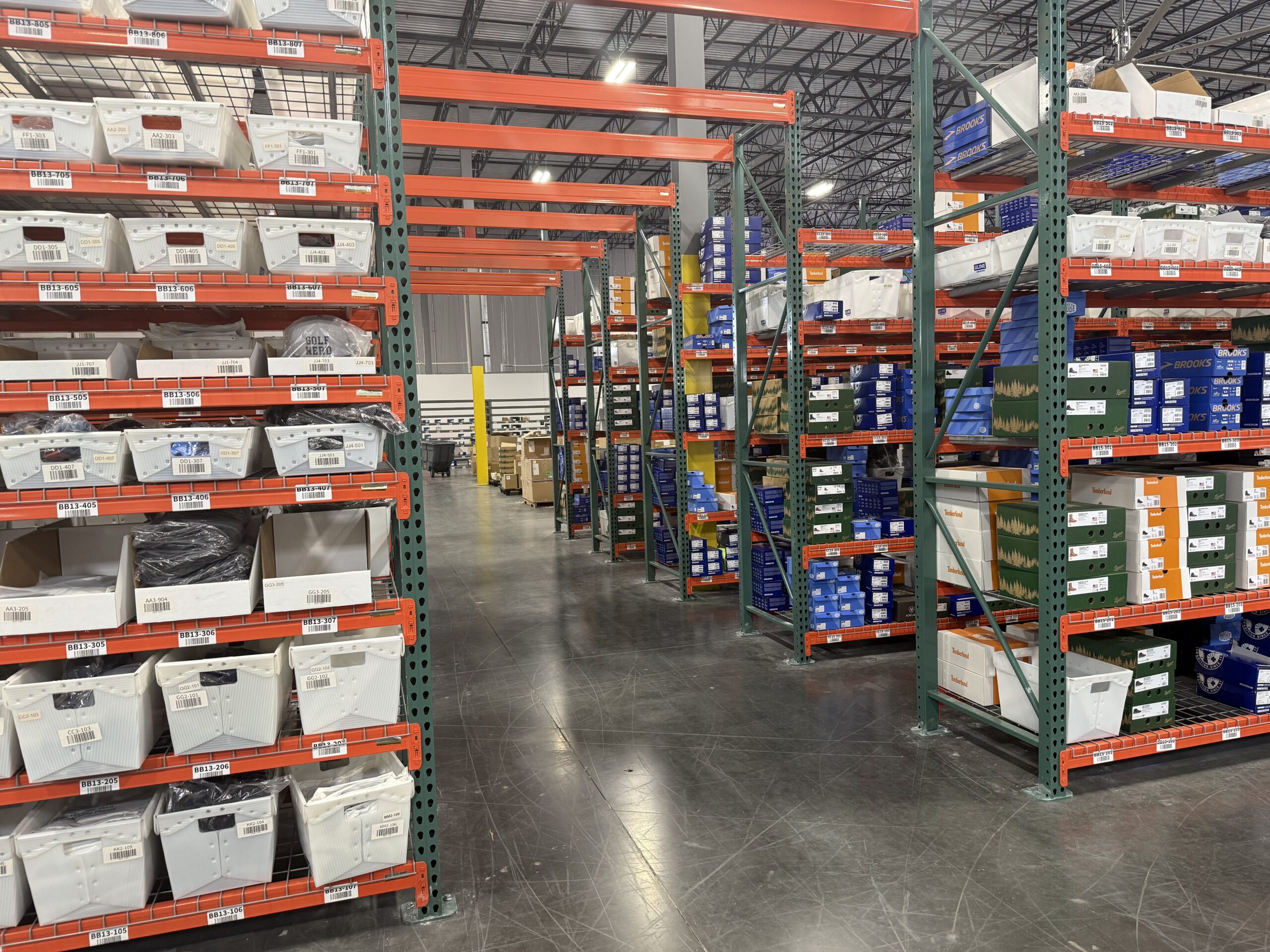
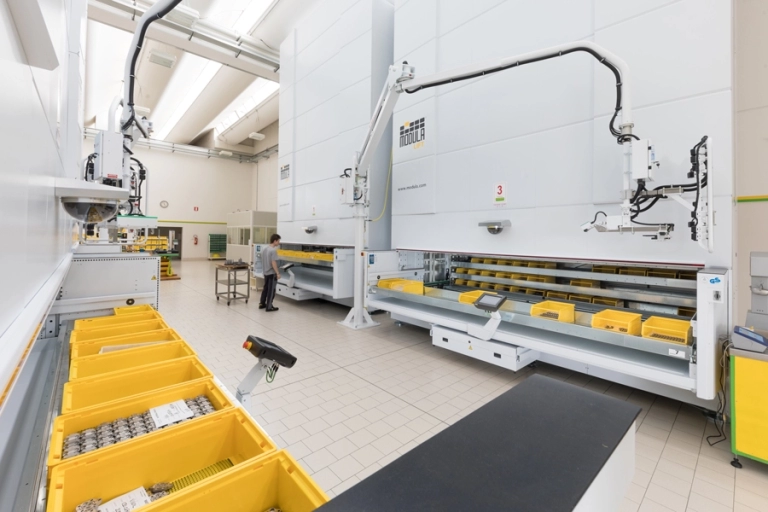
When storage areas reach capacity, businesses may begin considering warehouse expansion, off-site storage, or relocating to a larger facility. However, before investing in additional square footage, it’s important to evaluate how effectively existing space is being utilized. Many warehouses have unused vertical space above their current storage systems that could potentially accommodate additional inventory.
Facilities with unused vertical space may benefit from a vertical lift module that consolidates suitable inventory into a compact storage system. These systems take advantage of available ceiling height by storing materials vertically within a compact structure. For facilities managing suitable parts and components, consolidating inventory into a VLM may help increase storage capacity without expanding the building.
Before considering a warehouse expansion, businesses should evaluate several factors:
While traditional VLMs may not be suitable for every storage application, particularly large palletized loads or oversized materials, Modula offers other automated storage solutions designed to accommodate these needs. Together, these systems provide facilities with different options for maximizing their existing storage capacity.
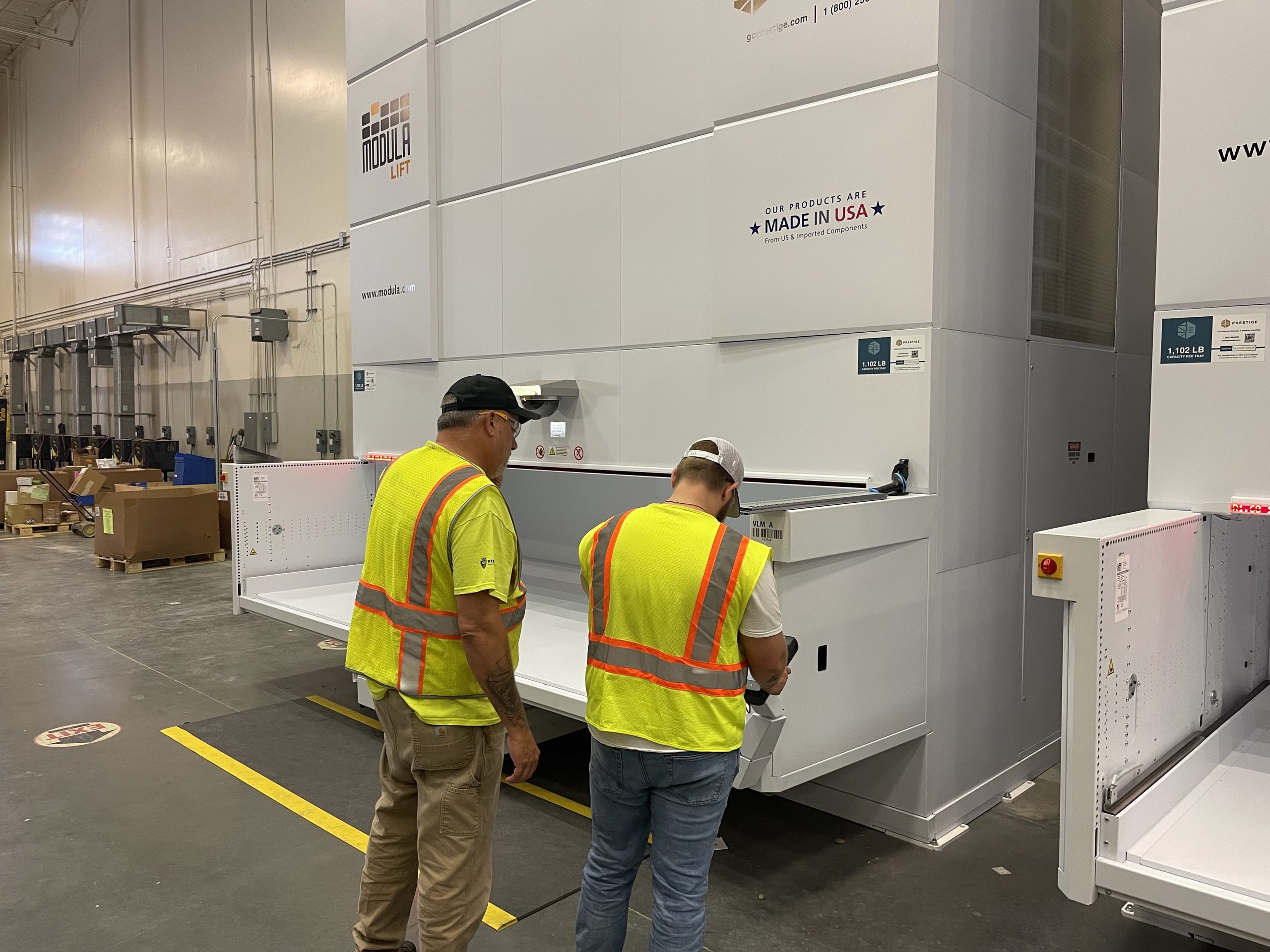
Vertical Lift Modules (VLMs) offer several advantages for warehouses looking to improve storage capacity, inventory organization, and daily operations. By combining automated storage and retrieval with a compact vertical design, these systems can help facilities maximize available space while creating more efficient workflows.
Some of the key benefits of a vertical lift module include:
While the specific benefits depend on inventory characteristics, picking frequency, and warehouse layout, facilities experiencing storage or operational challenges may benefit from a vertical lift module as part of their overall warehouse storage strategy.
From limited floor space to increasing order demands, warehouse storage challenges can affect productivity, organization, and daily operations. Vertical Lift Modules offer an automated approach to material storage and retrieval that can help facilities maximize available space, improve inventory accessibility, and streamline picking processes.
Determining whether a VLM is the right solution depends on available ceiling height, inventory dimensions, picking frequency, and existing workflows. Businesses should also consider long-term equipment support, including Modula Vertical Lift Module service and maintenance, to help maintain reliable system performance over time.
At Prestige’s Experience Center in Chattanooga, Tennessee, visitors can see a functioning Modula Vertical Lift Module and learn how automated storage and retrieval systems operate. Our team can demonstrate the equipment, explain its capabilities, and discuss potential applications for your facility.
Interested in seeing how a Vertical Lift Module works? Contact Prestige to schedule a visit to our Experience Center and explore automated storage solutions and how to benefit from a vertical lift module.
Explore our projects, offerings, and company / industry news

$623.70 – $670.00Price range: $623.70 through $670.00